
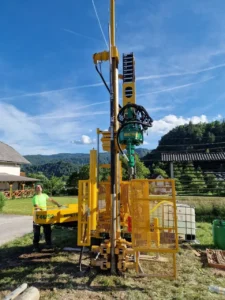


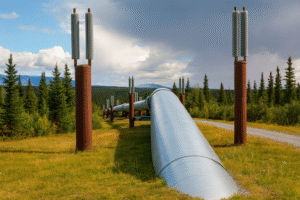
The construction of energy facilities is a key process in ensuring reliable and sustainable energy infrastructure. Proper planning and execution of these facilities directly affect energy efficiency, safety, and environmental footprint. Global trends highlight the growing role of renewable energy sources, while Slovenia follows European sustainability standards.
What Are Energy Facilities?
Energy facilities encompass a wide range of infrastructure, including:
Thermal power plants (fossil fuels, biomass)
Hydroelectric power plants
Solar power plants and photovoltaics
Wind power plants
Energy distribution and transmission systems
Understanding the type of facility is essential for proper implementation, as each requires specific technical and environmental approaches.
Planning and Design
Planning an energy facility includes:
Analysis of location and environmental impacts
Compliance with technical standards and legislation (Slovenian and EU)
Infrastructure design for maximum efficiency and integration with the existing grid
The use of simulations, modeling, and risk analysis ensures that the construction of energy facilities is safe, efficient, and fully compliant with regulations.
Technological and Construction Features
The construction of an energy facility requires advanced materials and technologies. The specifics depend on the type of facility:
Hydroelectric plants: dams, water flow, safety structures
Wind power plants: foundations, tower height, environmental impact
Solar power plants: orientation, rooftop or ground-mounted systems
Logistics, scheduling, and quality control are critical factors
influencing project success.
Grid Connection and Digitalization
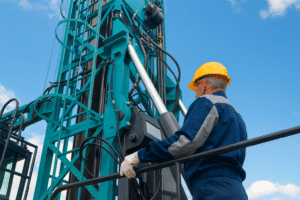
Integrating an energy facility into the distribution network is essential for stable energy supply. Smart grids, SCADA systems, and IoT technologies enable monitoring and optimization of operations. Digitalization plays a crucial role in performance tracking and fault prevention.
Maintenance, Monitoring, and Optimization
After construction, maintenance is vital:
Regular inspections and preventive maintenance
Monitoring of facility performance
Special procedures for extreme weather conditions
This approach ensures the long-term sustainability and reliability of energy facilities.
Environmental and Regulatory Aspects
Every energy facility must comply with environmental and regulatory requirements. Obtaining permits, certification, and alignment with local communities are key to sustainable development and positive project acceptance.
Best Practices and Innovations
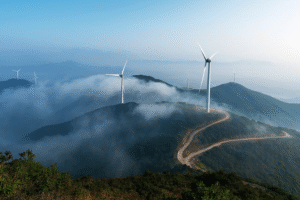
Successful projects in Slovenia and abroad demonstrate how innovative technologies such as battery storage systems and smart inverter systems enhance efficiency. Measuring and analyzing the environmental and economic benefits confirms the importance of proper implementation.
Conclusion
The construction of energy facilities is a complex process that requires an interdisciplinary approach, precise planning, and continuous monitoring. Applying best practices, standards, and innovations ensures energy efficiency, sustainability, and safety.
Frequently Asked Questions (FAQ)
- How is the optimal location for an energy facility determined?
By analyzing environmental factors, resource availability, and legal compliance.
- Which technologies are currently the most effective?
Renewable energy sources, smart grids, and digitalized monitoring systems.
- How long does construction and commissioning take?
It depends on the type of facility; smaller facilities may take several months, while large projects can take several years.
- How is compliance with legislation and standards ensured?
Through experts, certified contractors, and regular supervision during construction and operation.